
Defence and strategic operations often involve reviewing information from multiple sources before making important decisions. Operations teams may need to monitor maps, live updates, operational dashboards, reports and other visual information at the same time. When this information is spread across several individual screens, viewing and comparing it can become difficult.
This is where large-format display systems can play a useful role. LED video walls for defence applications provide a shared visual space where information can be presented in a structured and easily visible format. They can support command centres, monitoring rooms and strategic operations facilities where teams need to review different types of information together.
Why Visual Information Matters in Defence Operations
Operations centres often work with information that changes throughout the day. Teams may need to review geographical maps, status dashboards, communication updates and other operational data.
Presenting relevant information clearly is important because it helps personnel understand what is being displayed and identify the details that require attention.
A properly planned display environment can help by:
- Presenting multiple information sources on a larger viewing surface.
- Making important visual details easier to review.
- Allowing teams to view shared information from different positions in a room.
- Organising information into different sections of a display.
- Supporting briefings and discussions using common visual references.
The effectiveness of this setup depends on the quality of the source information, display configuration and the systems used to manage content.
How LED Video Walls Support Command and Control Centres
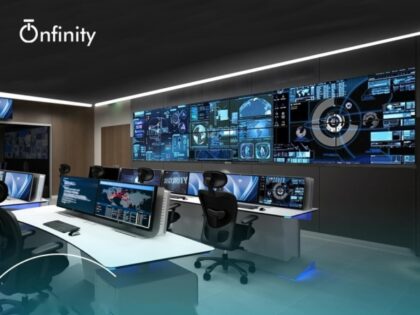
Command and control centres may require large displays to present information from different operational systems. An LED video wall can serve as a central visual surface for this purpose.
Here are some practical ways these displays can be used.
1. Presenting Multiple Information Sources
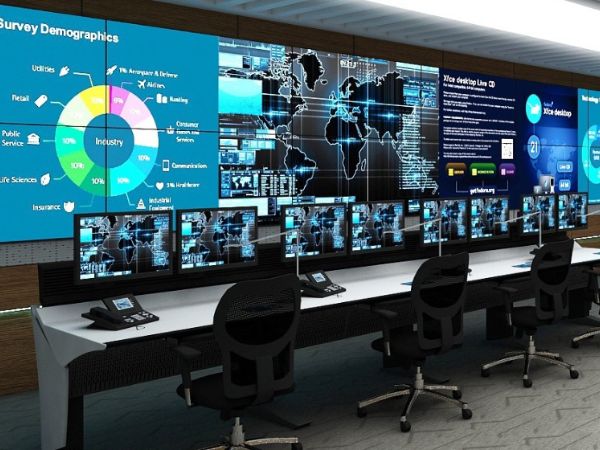
An operations centre may need to display maps, dashboards, reports and other visual material simultaneously. A large LED video wall can provide sufficient screen area to arrange these sources in separate sections.
This allows teams to review different information without constantly switching between individual monitors. The exact number of sources and their arrangement will depend on the display controller, connected systems and overall configuration.
2. Supporting Map and Dashboard Viewing
Maps and dashboards can contain details that are difficult to review on smaller screens, particularly when several people need to view them together.
A large display surface can make it easier to present geographical information, operational summaries and other visual references during team discussions.
However, the clarity of the displayed content also depends on resolution, pixel pitch, viewing distance and the quality of the original source.
3. Creating a Shared Visual Reference
When multiple personnel are working in the same operations room, a shared display can help everyone refer to the same information.
Instead of relying on separate screens, teams can review selected visual content together during briefings and discussions. This can make information presentation more organised, particularly in rooms where several people need to follow the same updates.
4. Supporting Monitoring Room Displays
Monitoring environments may use different software platforms and information systems. An LED video wall can provide a larger surface for displaying compatible visual outputs from these systems.
The display itself does not collect or analyse information. Those functions depend on the connected software, cameras, sensors and other source systems.
This distinction is important when planning a display solution for a specialised operational environment.
Important Factors When Selecting an LED Video Wall
Choosing a display for a defence or strategic operations facility requires more than selecting a large screen. The room layout, viewing conditions and intended content should all be considered.
Pixel Pitch and Viewing Distance
Pixel pitch refers to the distance between the centres of two adjacent LED pixels. A smaller pixel pitch generally supports closer viewing, while the appropriate choice depends on how far personnel will sit or stand from the display.
For an operations room, the display should provide suitable image clarity at the expected viewing distance.
Screen Size and Room Layout
The display should fit the available wall space and allow personnel to view information comfortably from their working positions.
A larger screen is not automatically better. Its dimensions should be planned around the room layout, viewing angles and type of content being presented.
Brightness and Viewing Conditions
Display brightness should suit the lighting conditions of the room. An overly bright display may be uncomfortable in a controlled indoor environment, while insufficient brightness can affect visibility.
The installation team should consider ambient lighting and the intended operating conditions before finalising the display configuration.
Content Management and Display Control
A video wall may need to show different content in separate sections or switch between layouts during presentations.
The required functionality depends on the selected controller and connected systems. Buyers should confirm whether the proposed configuration supports their intended inputs, display arrangements and operating requirements.
Installation and Maintenance Planning
A video wall installation should account for mounting arrangements, power requirements, ventilation, cable routing and access for servicing.
Maintenance access is particularly important in facilities where displays are expected to operate for extended periods. A suitable service plan can help identify display issues and address them before they affect normal use.
Indoor LED Video Walls for Strategic Facilities
Indoor LED video walls may be considered for command centres, monitoring rooms, briefing areas and other facilities where large-format visual presentation is required.
The right configuration depends on the room size, viewing distance, content requirements and available infrastructure.
Before selecting a solution, organisations should evaluate the display specifications and confirm that the proposed controller and connected equipment meet their operational requirements.
Onfinity Technologies Pvt. Ltd. offers LED video wall solutions for indoor and outdoor display applications. Organisations can review the available options and discuss their requirements before finalising a suitable configuration.
Conclusion
Clear information presentation is an important consideration in defence and strategic operations environments. When teams need to review maps, dashboards, reports and other visual material together, a large-format display can provide a shared viewing space.
LED video walls can support this requirement by bringing multiple visual sources onto a common display surface. Their suitability depends on factors such as pixel pitch, screen size, viewing distance, content control, installation planning and compatibility with connected systems.
For organisations planning a display setup for an operations or monitoring facility, evaluating these requirements in advance can help them select a solution that fits the room and its intended use.
Frequently Asked Questions
LED video walls may be used in command centres, monitoring rooms and briefing areas to present maps, dashboards, reports and other visual information on a large shared display.
They can help teams view and compare relevant visual information on a common display surface. Their usefulness depends on the accuracy of the source data, content arrangement and connected systems.
Pixel pitch affects the level of image detail visible at a particular viewing distance. The appropriate pixel pitch depends on screen size, room layout and how close personnel will be to the display.
Yes, a suitably configured video wall system can present content from multiple compatible sources. The available inputs, layouts and switching functions depend on the display controller and connected equipment.
They should evaluate screen size, pixel pitch, viewing distance, brightness, room layout, power requirements, ventilation, content control and maintenance access.