
A corporate lobby is often the first place visitors experience a company’s brand. Before a meeting begins or a conversation takes place, the reception area can already communicate something about the business. A well-designed space, clear information and engaging visuals can help create a professional first impression.
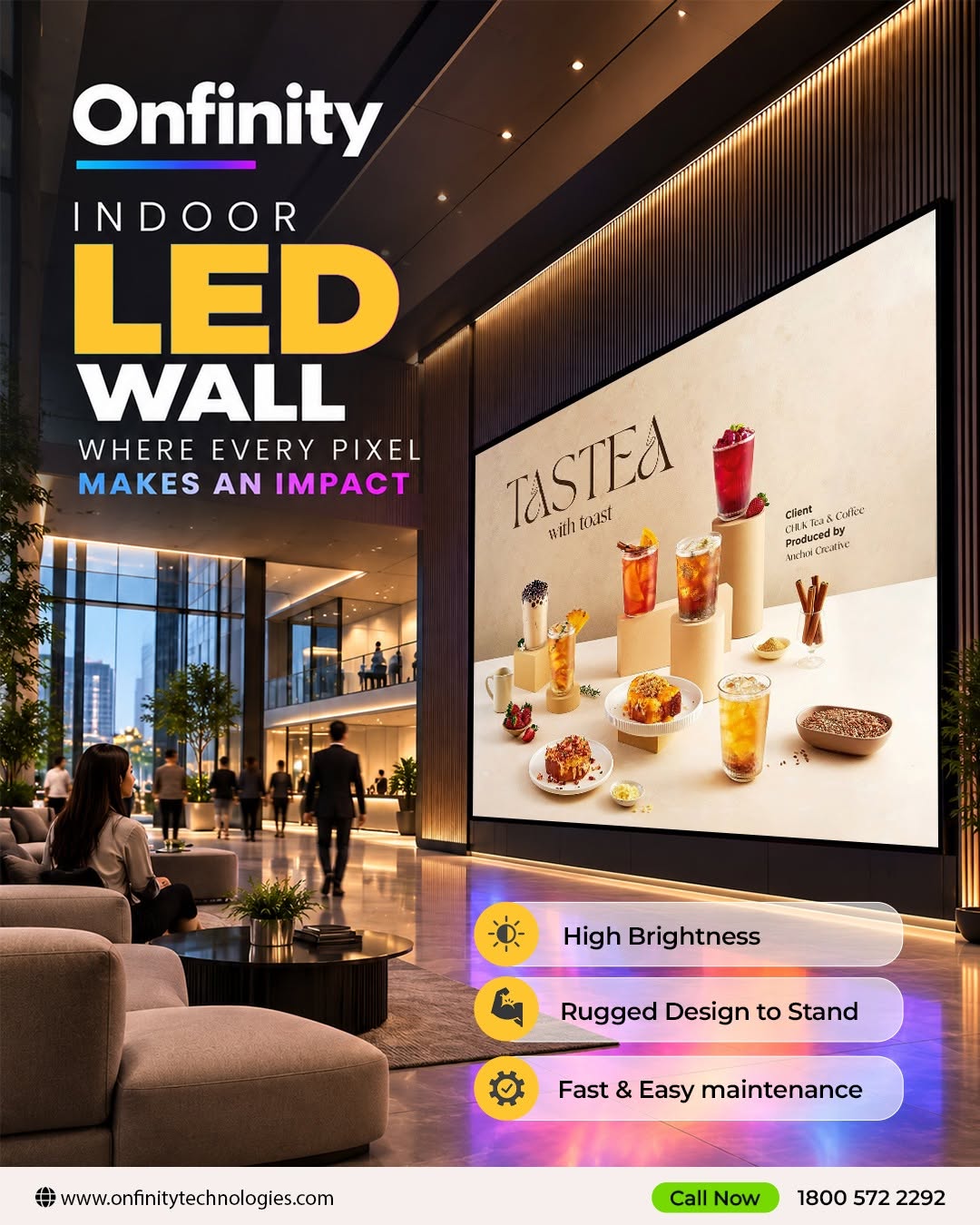
This is where an indoor LED display can make a difference. Businesses can use LED screens in reception areas, waiting rooms and office entrances to showcase their brand identity, share company updates and communicate important information.
However, choosing the right display involves more than selecting a large screen. Its placement, viewing distance, content and integration with the office environment all influence how effectively it supports corporate communication.
1. Why Corporate Lobbies Need Better Visual Communication
Corporate reception areas serve several purposes. They welcome visitors, guide guests, communicate company information and reflect the organisation’s identity. Traditional signs and printed displays can handle basic information, but updating them whenever something changes may require additional time and effort.
Digital displays provide a more flexible way to present visual information. A company can use an LED screen to display its logo, welcome messages, service information, upcoming events or corporate announcements.
For offices that regularly host clients, partners and employees, this flexibility can help keep communication relevant. The content can also be adapted for different occasions, such as business conferences, employee events or important client visits.
2. How Indoor LED Displays Support Office Branding
Consistent branding helps businesses create a recognisable identity. Colours, logos, messaging and visual elements all contribute to how people perceive a company.
An indoor LED display can bring these elements into the physical workplace. For example, a business may display its brand video in the reception area, highlight its key services or showcase milestones and achievements.
LED screens can also support presentations and internal communication in larger office spaces. The important point is to use the display with a clear purpose rather than treating it as decoration alone.
For organisations considering larger-format screens, Onfinity Technologies Pvt. Ltd.’s LED video wall solutions offer a starting point for exploring display options for different environments.
3. Where Can Businesses Use LED Displays in an Office?
The most suitable placement depends on the office layout, audience and communication goals. Some common applications include:
Reception and entrance areas
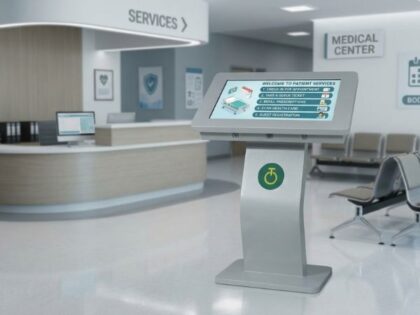
An LED screen near the reception desk can display the company logo, welcome messages, brand videos and visitor information. Content should remain easy to understand for people who may only see it briefly.
Waiting areas
Screens in waiting rooms can share company updates, service information, event announcements or other relevant messages. The content should be useful and visually clear rather than crowded with too much text.
Corporate meeting spaces
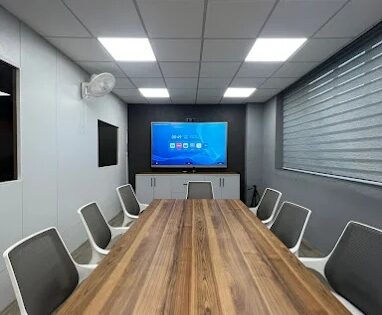
Indoor LED displays can support presentations, business updates and visual communication during meetings. The display size and configuration should match the room and the number of people viewing it.
Employee communication areas
Businesses can use displays in shared spaces to communicate internal announcements, schedules, achievements and workplace updates. Where information changes frequently, a planned content management process can help keep the screen current.
4. Choose the Right Screen Size and Resolution
The best indoor LED display is not necessarily the largest one available. Screen dimensions and resolution should match the available space and the distance from which people will view the content.
In a compact reception area, a screen that is too large may dominate the space. In a large corporate lobby, a small display may be difficult to notice from the entrance.
Pixel pitch is another important consideration. It describes the distance between the centres of neighbouring LED pixels and affects how much detail a display can show at a given viewing distance. A screen viewed from close range may require a finer pixel pitch than one intended to be seen from farther away.
Before making a selection, consider the screen’s purpose, typical viewing distance, content type and installation space. You can also read our guide to LED display pixel pitch for more information on this specification.
5. Plan Content That Reflects Your Brand
Even a high-quality display can lose its impact if the content is poorly planned. Corporate screens should communicate useful information while maintaining a consistent visual identity.
A practical content plan may include:
- Company logo and brand messaging
- Welcome messages for visitors and clients
- Company milestones and achievements
- Service highlights and corporate announcements
- Event information and presentation visuals
- Relevant internal updates for employees
Use readable text, clear visuals and a consistent colour palette. Avoid placing too much information on a single screen, especially when visitors may only have a few seconds to read it.
It is also worth assigning responsibility for content updates. Regularly reviewing the displayed information helps prevent outdated announcements, expired event details or old branding from remaining on screen.
6. Indoor LED Displays vs Traditional Reception Signage
Traditional signs remain useful for permanent information such as room names, directions and safety instructions. They are straightforward for information that rarely changes.
An LED display is more suitable when a business wants to update messages, show video content or present different information throughout the day. It can support changing campaigns, announcements and branded visuals without requiring a new printed sign for every update.
The two approaches do not have to compete. Many offices benefit from combining permanent signage with digital screens for content that changes regularly.
The decision should depend on the communication goal, available budget, operating requirements and the frequency with which information needs to be updated.
7. Consider Installation and Maintenance Before Buying
Planning an indoor LED display involves more than selecting its technical specifications. The screen must fit the office layout and be installed in a way that supports safe operation and future servicing.
Before installation, review the mounting arrangement, power requirements, cable routing and access for maintenance. Consider ambient lighting and viewing angles so that the display remains visible without disrupting the space.
You should also confirm how content will be controlled. Depending on the selected system, updates may be handled through a media player, display controller or compatible content management platform.
Maintenance requirements vary by model and installation. Ask the supplier about servicing access, warranty coverage, replacement components and recommended maintenance procedures before making a final decision.
8. Choosing an Indoor LED Display for Your Business
Every office has different requirements. A reception screen designed for visitor welcome messages may not need the same configuration as a large LED video wall used for presentations or corporate events.
Start by identifying what the display needs to achieve. Then evaluate the available space, viewing distance, expected content, installation requirements and ongoing maintenance needs.
Onfinity Technologies Pvt. Ltd. offers LED video wall solutions for a range of applications, including corporate and commercial environments. Businesses exploring display options can visit the LED video wall solutions page to learn more about available configurations.
A well-planned indoor LED display can help bring brand communication into the workplace, keep information flexible and create a more engaging experience for visitors and employees. The key is to choose a solution that fits the space and serves a clear business purpose.